Saturday, January 29, 2011

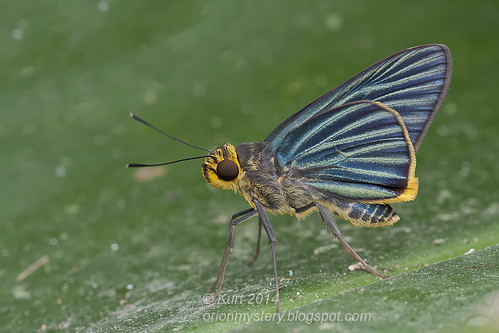
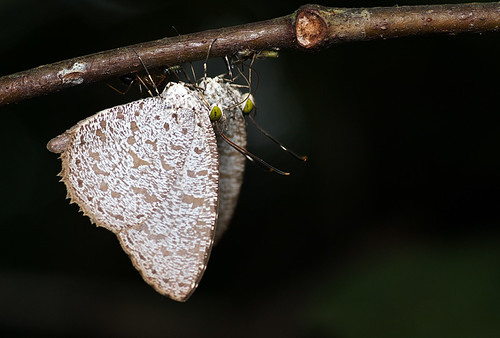
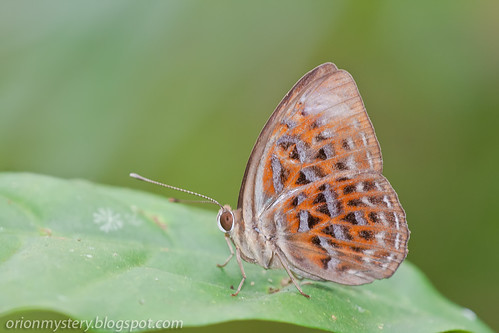
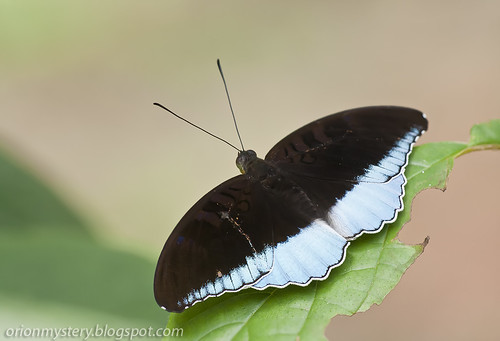
Butterflies and rainforest

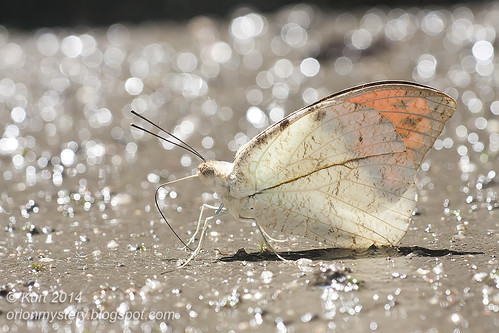
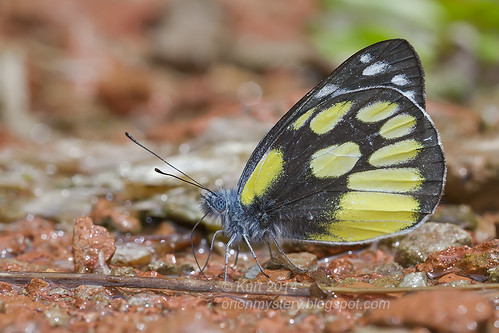
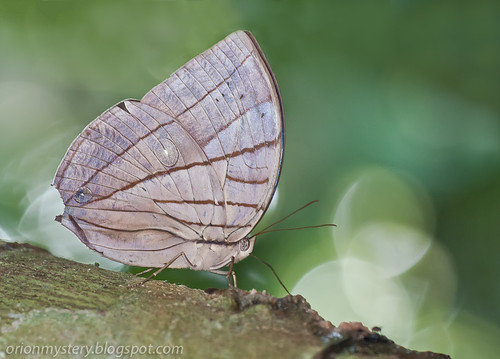
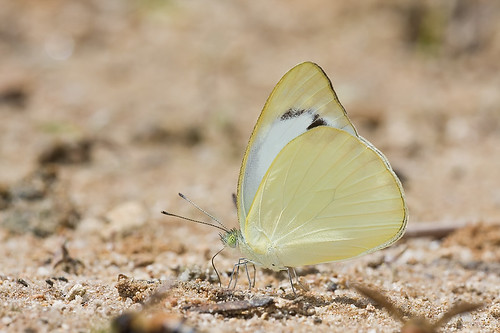
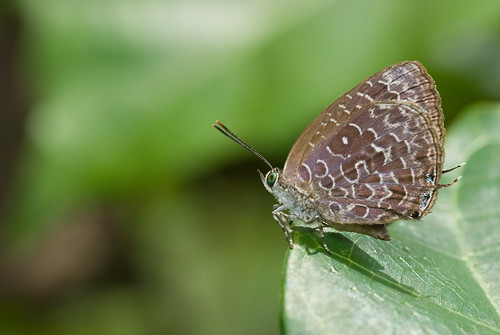
Like most people, I like butterflies. (Who doesn't?:D). However, while i like them and think they are beautiful, I never really have very high regard for them. So the butterflies pollinate a few flowers, plants and crops, but they are no where as efficient as the bees in this aspect.

I didn't realize how wrong I was until I stumbled upon this website: Langkawi-gazette


Excerpt from the page:

The rainforest – once going into decline, can not recreate itself, because the Butterflies will be missing

What have the Butterflies to do with it ?

Here we have to know two things: Langkawi has such a big number of species of Butterflies (340) because his rain forest has such a huge number of different plants and trees. Each specie of butterfly is dependent upon a certain kind of plant or a certain kind of tree and in return helps this plant or tree to fertilize its seeds.

Once a species of Butterfly is extinct, because there were no more trees of a certain kind to sustain it, the seeds of the remaining trees of this specie will not be fertilized anymore: a downward spiral.

Simply counting the species of Butterflies immediately shows if a forest is untouched and in good shape (with many kinds of trees), or if it has already declined to a near mono culture of only a few species of trees left.

That’s why the Butterflies are so important, because Butterflies (and the Moths) are the ones who fertilize the seeds of the trees in the flowers on the top of the crown. This is not done by Bees or Wasps or any other insects, it’s done by the Butterflies

Here's to all the beautiful butterflies out there!

Lime butterfly, Papilio demoleus
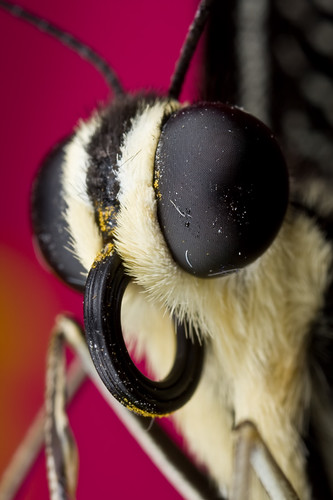
lime butterfly IMG_1856

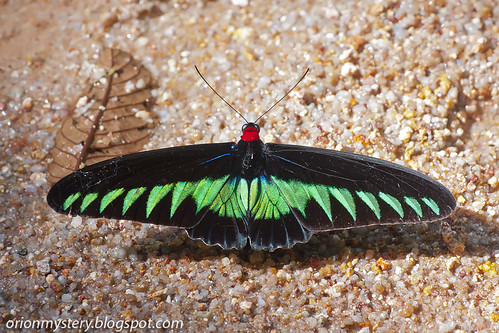
A small congregation of Rajah Brooke's birdwing butterflies (Trogonoptera brookiana) at a salt lick.
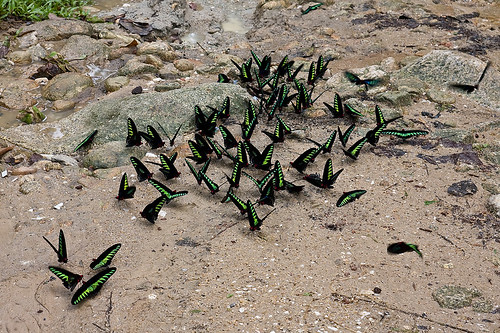
IMG_8885 copy

A bunch of puddling Rajah Brooke's birdwing butterflies (Trogonoptera brookiana ssp. albescens). Can you spot the two odd ones out?
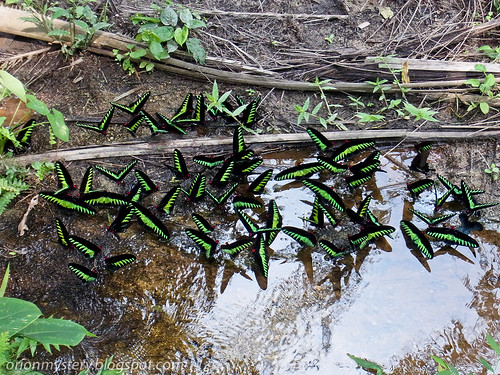
R0022039 copy
Odd ones: One is Great Mormon. And one top maybe Red Helen or Black and White Helen.
Blue grassy tiger,  Ideopsis vulgaris macrina
Ideopsis vulgaris macrina blue glassy tiger DSC_6818 copy

Royal Assyrian, Terinos terpander robertsia
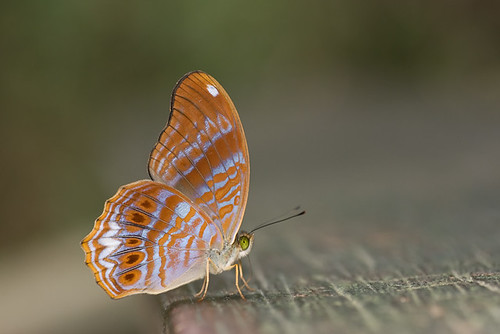
Terinos terpander robertsia (Royal Assyrian) DSC_4110 copy

Club Silverline, Spindasis syama terana 
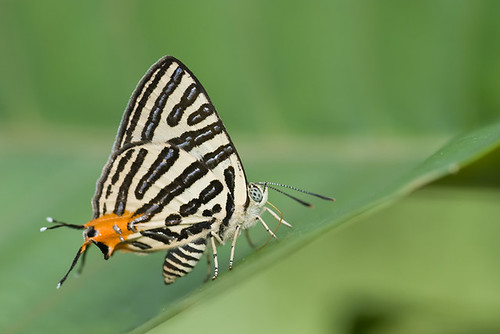
Spindasis syama terana ( Club Silverline ) DSC_8009 v2 copy

Magpie Crow (Euploea radamanthus radamanthus)
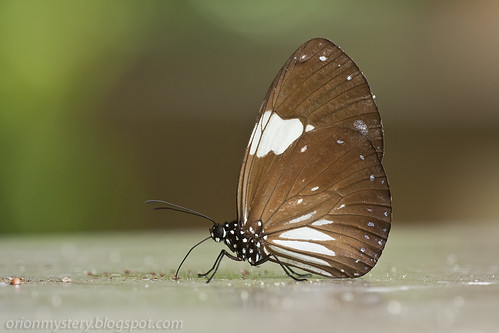
Magpie crow ( Euploea radamanthus radamanthus) IMG_3310 copy


Vindula dejone erotella (The Cruiser)
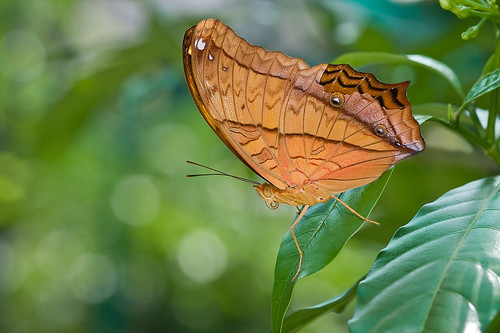
<br>Vindula dejone erotella (The Cruiser) butterfly IMG_0143 copy

Allotinus horsfieldi
Allotinus horsfieldi butterfly DSC_8778

Lesser Harlequin (Laxita thuisto thuisto)
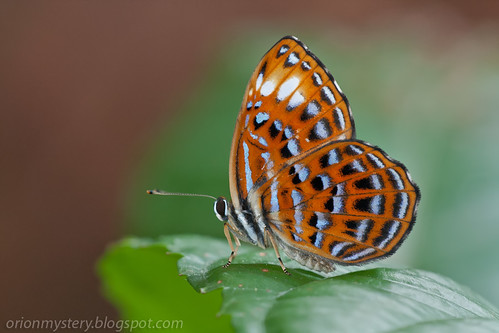
Lesser Harlequin (Laxita thuisto thuisto) IMG_5259 copy

Malay Red Harlequin (Paralaxita damajanti damajanti)
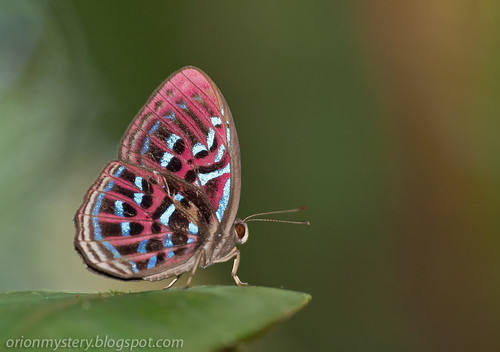
Malay Red Harlequin (<i>Paralaxita damajanti damajanti</i>) IMG_6358 copy

A really faded Yellow Flash (Rapala domitia domitia)
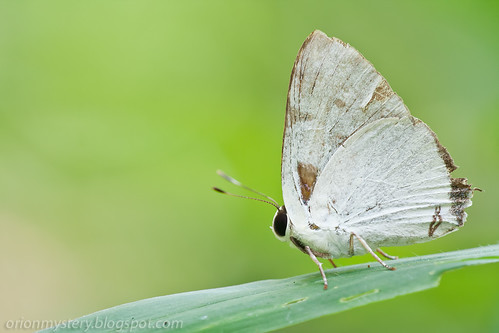
Yellow Flash (<i>Rapala domitia domitia</i>) IMG_6405 copy

Faunis gracilis
Faunis gracilis IMG_6362 copy

Callidulida - Callidula sp. moth
Callidulidae - Callidula sp. moth IMG_5730 copy


The Plush, female (Sithon nedymond nedymond)
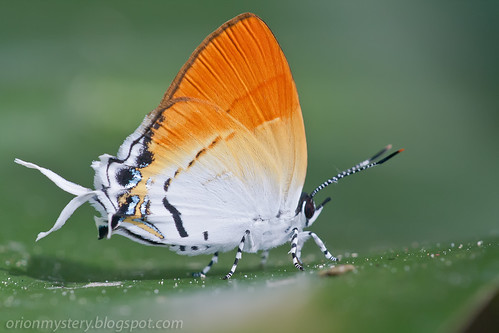
The Plush (Sithon nedymond medymond) IMG_9790 copy

Common Imperial (Cheritra freja frigga)
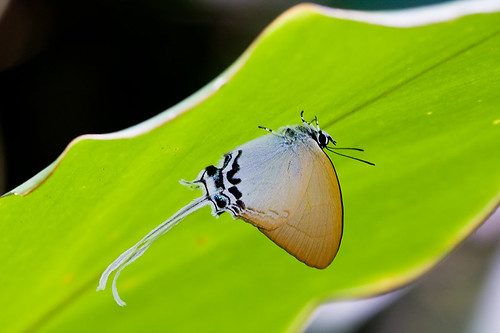
Common Imperial IMG_9447 copy

Branded Imperial butterfly (Eooxylides tharis distanti)and an ant.
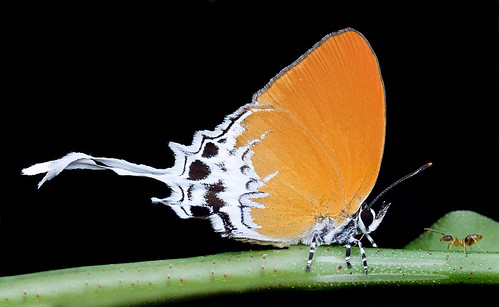
Branded Imperial butterfly and a yellow crazy ant..IMG_0337merged copy

Closer
Branded Imperial butterfly and an ant. IMG_0367 copy

DSC_8244 copy

Found this one sleeping at night.
IMG_8339 copy

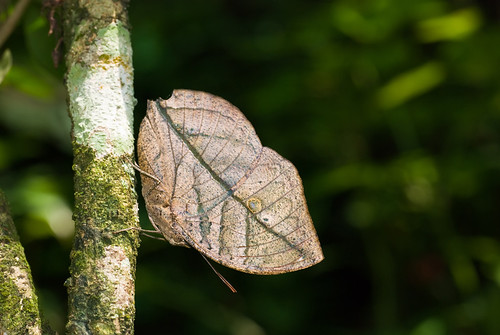
Polyura hebe plautus (Plain Nawab)
Polyura hebe plautus (Plain Nawab) .DSC_7010 copy

Hypolimnas bolina jacintha (Jacintha Eggfly)
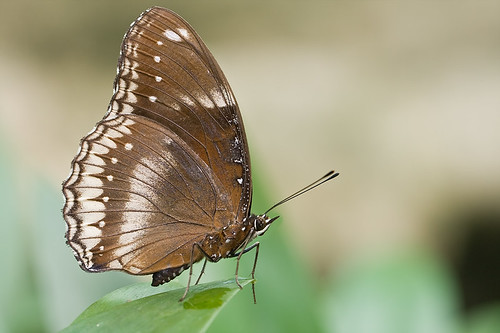
Hypolimnas bolina jacintha (Jacintha Eggfly) IMG_0216 copy

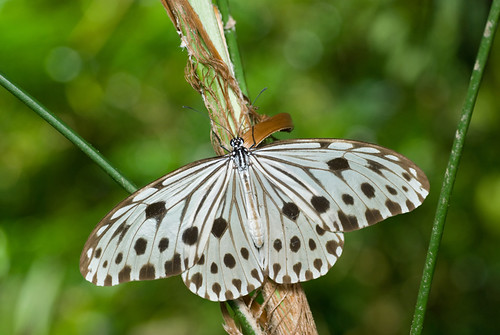
Common tree nymph
DSC_5735 copy

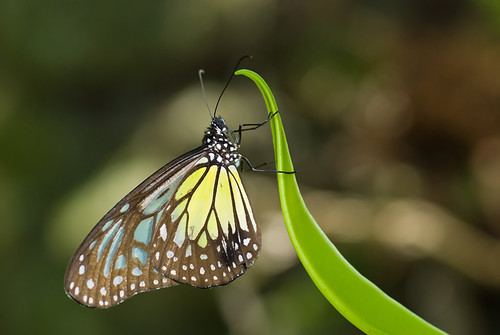
Yellow Glassy Tiger butterfly (Parantica aspasia aspasia)
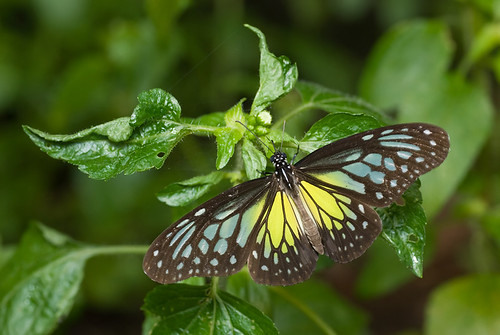
Parantica aspasia aspasia Yellow Glassy Tiger butterfly DSC_2101 copy

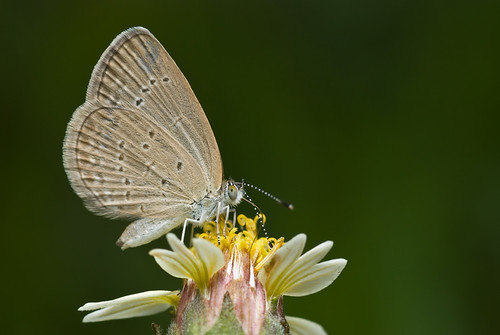
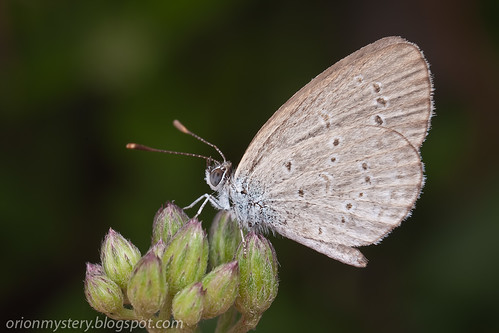
Zizina otis lampa (Lesser Grass Blue) butterfly
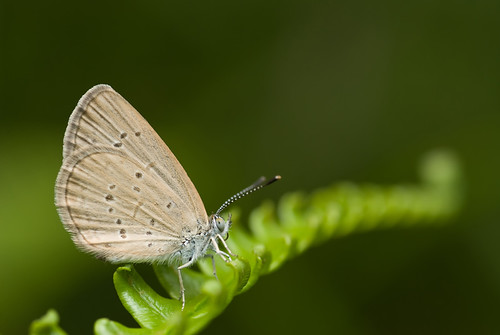
Zizina otis lampa (Lesser Grass Blue) butterfly DSC_9402 copy

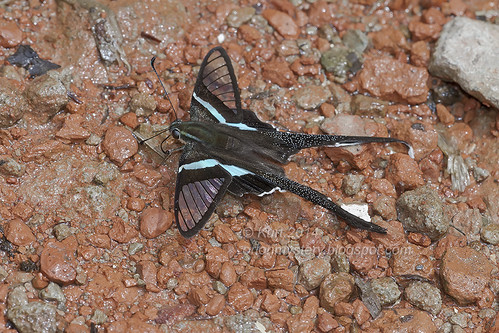
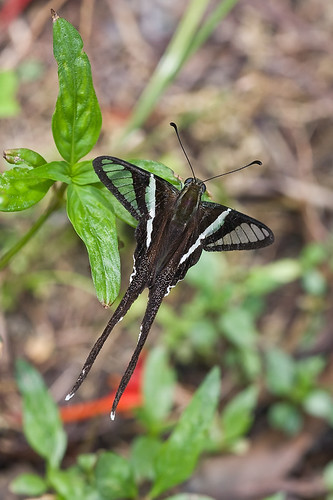
White dragontail
A white dragontail IMG_8964 copy

Tanaecia iapis puseda..Horsfield's Baron
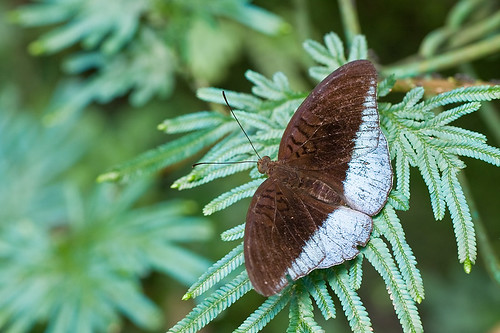
IMG_1350 (2) copy

Skipper butterfly Taractrocera ardonia lamia
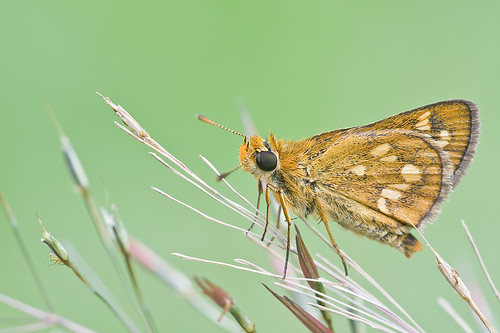
Skipper butterfly <i>Taractrocera ardonia lamia </i>IMG_6930 copy

Yeoman butterfly, Cirrochroa malaya calypso
Yeoman butterfly, Cirrochroa malaya calypso IMG_6366 copy

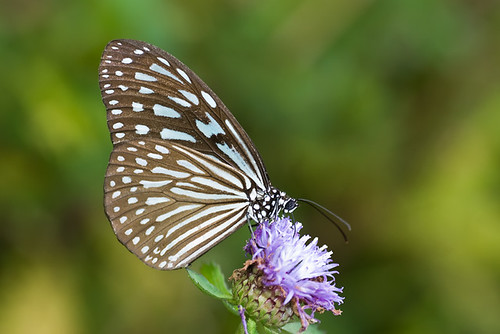
Yellow glassy tiger
Yellow glassy tiger DSC_5865 copy

Black Helen butterfly, Papilio nephalus albolineatus
 Black Helen butterfly, Papilio nephalus albolineatus <br></p><p>IMG_7243 copy

Tufted king butterfly, Charaxes bernardus crepax
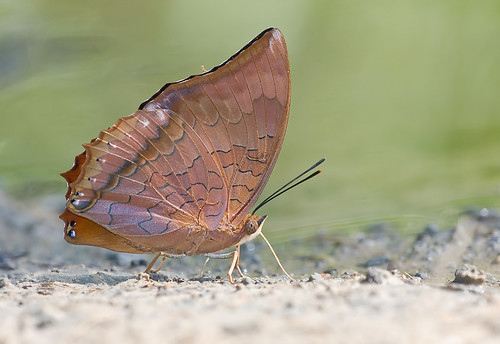
Tufted king butterfly, Charaxes bernadus repetitus IMG_6433 copy

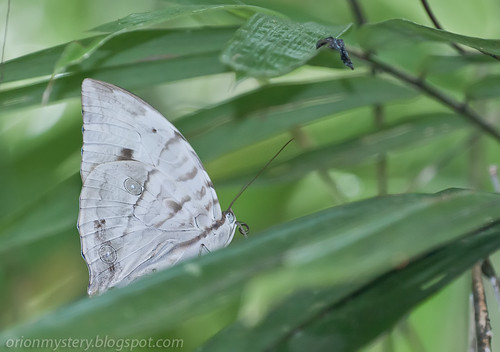
The Malayan Albatross  butterfly
The Malayan Albatross  butterfly IMG_8177 copy

Likely an Arhopala ammonides chunsu
Arhopala ammonides chunsu butterfly DSC_8244 copy

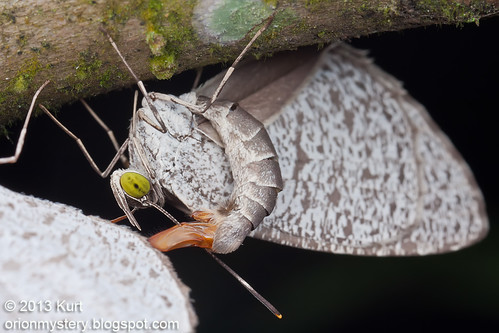
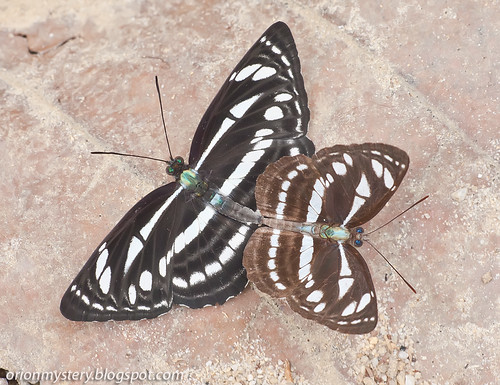
Mating pair of Sailors on my finger, not sure of the exact sp.,
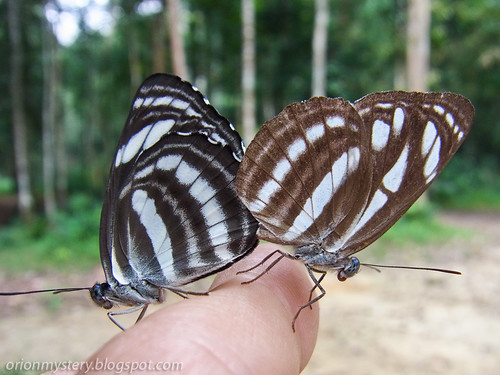
mating pair of sailors butterfly R0020925 copy

mating pair of sailors butterfly IMG_6131 (2) copy
More bugs porn here.

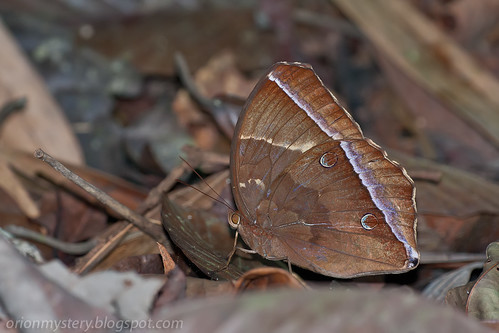
Malayan Owl (Neorina lowii neophyta)
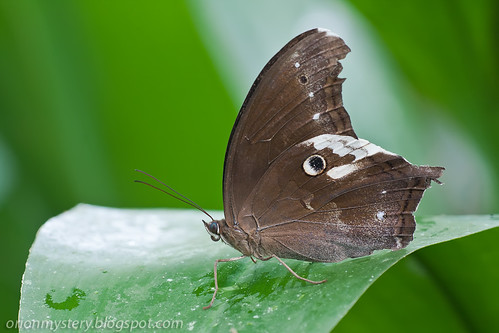
Neorina lowii neophyta(Malayan Owl) IMG_8737 copy

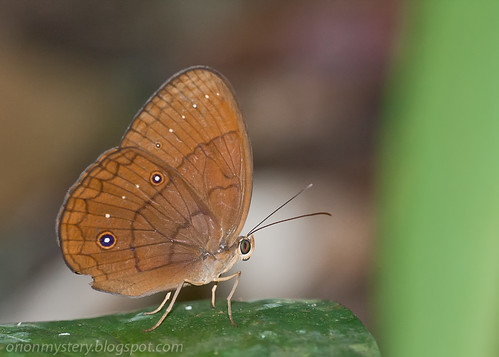
Agatasa calydonia calydonia (Glorious Begum)
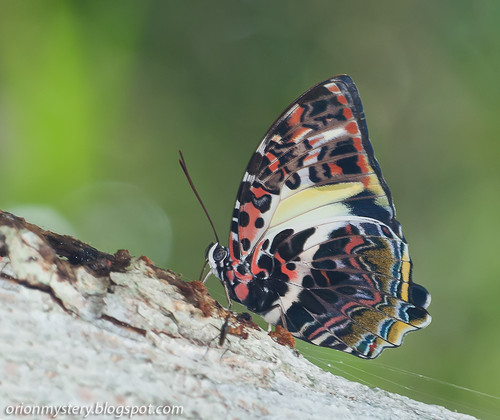
Agatasa calydonia calydonia (Glorious Begum) IMG_6190 (2) copy

If you would like to learn more about butterflies and butterfly photography, I highly recommend that you check out the Butterfly Circle. Also check out my buddy LC Goh's great collection of butterfly images!

Please watch this short clip: The Butterfly's Tale


the butterfly's tale;
Swarms of butterflys were once widespread across our countrysides, but now you will be lucky to see one or two...
The decline is due to Industrial agriculture, the loss of 97% England's natural grasslands and wildflower meadows, the increase of motorways and urban development plus climate change which brings new predators and diseases..
Butterflys are essential eco system pollinators benefiting both agriculture and medical science for its plant derived medecines, as well as being sensitive indicators of environmental change.

The last species extinct in Britain, the Large Blue (Maculinea Arion)(d.1979) was re-established in the 1980's by Professor Thomas, who stated "What is bad for butterflys is bad for all species -- including our own''.
( http://www.butterflyworldproject.com/ )
Other Species recently extinct in the UK; Mazarine Blue (d.1904) Black-Veined White (d.1925) & Large Tortoiseshell(d.1970's). Currently 1/3 of only 435 species in Europe are under threat...
Around the world the Large Copper of Ireland, Giant Swallowtail of Jamaica, Atewa of Ghana, American Silverspot and Apollo of the Alps have also become extinct.
In The USA the Monarch butterfly now faces drastic reductions following destruction of their milkweed seeding plant by biotech agricultural chemicals.

On a brighter note, in 2008 Sir David Attenborough the BBC's Natural history broadcaster launched a £25m conservation project to reverse this disaster. Butterfly World, has 250 species flying in its dome, and also hosts extensive gardens and meadows to attract native British species.
( http://www.butterflyworldproject.com/ )

To save the butterfly, plant suitable nectar producing plants, the best are the Buddlea, Ice-plant, Lavender, Michaelmas Daisy and Marjoram.
Caterpillars also need feeding so plant Holly and Ivy in sunny positions where they can grow tall and flower, & keep the Stinging Nettles as these are home for the Comma, Small Tortoiseshell and Red Admiral butterflys.

Original Poem the butterfly's tale c. Celestial Elf 2011.
( http://celestialelfdanceoflife.blogspot.com/2011/04/butterflys-tale.html )

Macro Workshop

Macro workshop for beginners/intermediate macro photographers.

When : Once a month on Saturday and/or Sunday. Contact me for more info. (zero one two, 9801929, orionmystery at gmail dot com)
Where : Kuala Lumpur. Exact location will be disclosed via PM to participants.
Time : 9 am to 12 noon, then Lunch (included), followed by post processing lesson (1:00 to 3:00pm)

What you'll learn: natural light macro, full flash macro, useful tips and lots of hands-on.

You will also be added to my alumni group on Facebook where you can continue to learn, ask questions, post images for feedback.

Fee : RM280, minimum two to start. Top up to RM350 if there's only one participant and you want to proceed.

Payment: bank in/transfer to my MayBank account then PM me. Account # will be PMed to you.)

Prerequisite: participant should preferably have a macro lens, or full set of tubes or a Raynox DCR-250. Feel free to ask me about this if you are not sure. Those who are interested, please PM me your equipment list: camera, macro lens(es), speedlight or dedicated macro flash, tripod.

What you'll learn: natural light macro, full flash macro and flash diffusion, and many other useful tips and lots of hands-on, and finally post processing tips.

Bring your laptop if possible, prefereably with Photoshop CS3/4/5 installed. Lightroom is okay too.

Participants will get to join my facebook alumni group where you are free to post your macro images and ask questions, receive feedback etc.

Since macro is very challenging and highly technical, it's not possible to learn everything in one day. But fret not, you can join my workshop again, anytime, by just recommending your friend to join my workshop. If your friend joins, you can tag along again.


I have a DIY Snoot Diffuser (for 100mm/90mm range. It will fit the SB900 too) and 580EX II to loan to you if are using Canon camera. Only one though so only for the first one who asks for it :)

Things to bring:

- drinking water
- sun hat
- insect repellent. I normally just wear long sleeves shirt and long pants though, crocs shoes and socks. I tuck in my pants so the ants or leeches can't get in. Not all types of socks will work to keep the leeches out. However, no leeches at this location.
- tripod (optional) I will bring mine to demo to you.
- your camera, macro lens and/or dcr250 and/or extension tubes, camera manual (just in case we need to check out some functions)

Diffuser for your reference:

Recommended one:

Quick and easy one

But don't worry as I will loan you my snoot diffuser and the 580EX II (only for the first one to sign up).

Some recommended reading:

Full flash photography:
Flash exposure compensation:
Natural Light photography:

Don't worry if you have no time to read because I will briefly explain the essence to you during the workshop.

All shot with a Canon 40D, Canon MP-E65 1X-5X macro lens and MT-24EX Twin Flash.

Pink Is In series 1/3: IMG_8385 copy

IMG_6683 copy

Theopropus elagans.....IMG_9310 copy


Friday, January 21, 2011

Sigma 150 vs Sigma 180

I have been using my Sigma 150 mainly for natural light shot for more than a year now and loving it. Just a few days ago, I acquired a pre-owned Sigma 180 so I thought I might do a little bit of side by side comparison of the two. Not on the IQ though. For that you can refer to a few excellent lens review sites such as Photozone, SLR Lens and Camera Review etc. I am mainly interested in what the extra 30mm can give me!

Physically, here are the differences:

MWD: Minimum working distance (front element to subject)
Sigma 150: 7.6" (194mm)
Sigma 180: 9.4" (238mm)

Weight:
Sigma 150: 895g
Sigma 180: 965g

As you can see in this image, the Sigma 180 is quite a bit longer than the Sigma 150, but only about 70g heavier. However, as you will find out later, the extra 30mm does makes quite a lot of difference!
sigma 150 vs sigma 180 IMG_0215 copy

I didn't think the extra 30mm would create any significant difference, until one fine day when I shot one same caterpillar with  a Facebook friend of mine from Singapore. I used a 150mm whereas he, a 180mm. As you can see, the extra 30mm really rendered the background more out-of-focus, and made the subject stand out!
sigma 150 vs sigma 180
Both images shot with natural light and the use of a reflector.

Another comparison shot. You can see clearly that at the same magnification (the flower was similar in size in both images), the 150mm saw more of the background, or in other words, had bigger FOV (Field of View), compared to the 180mm. The dark, vertical bars were my front gate. The 150mm saw four vertical bars whereas the 180mm saw only 3 bars. The working distance was different since with the 180mm, I had to move the camera/lens/tripod a little bit further away from the subject/flower.
sigma 150 vs sigma 180
Check out the "truck and barn" series of images in this link for a great illustration of the same point.

You can calculate the FOV by using the calculator on this site:

So on my 40D, the FOVs would be:

150mm: 8.465° x 5.649°
180mm: 7.058° x 4.709°

The Sigma 180mm is only 70g heavier, but a couple of hundreds (USD) more expensive. However, the extra 30mm clearly buys you much better ability to isolate the subject from the background. The extra working distance is great for shooting more skittish macro/close-up subjects too!

Edit: another comparison shot. I found the same frog again. The 180mm image was shot at F10 whereas the 150mm image F8. More or less the same magnification as the frog looks about the same size in the images. The 180mm image was slightly cropped on the left. So consider the slight crop and the higher F number a handicap to the 150mm :D. Again, it's easy to see that the 180mm has a much better bokeh!

frog
Both images shot with natural light and the use of a reflector.

Friday, January 7, 2011

Bugs Porn

You will see nothing but just Bugs Porn here. 

Mating pair of green lantern bugs, Pyrops shiinaorum shiinaorum. More lantern bugs here.
mating pair of green lantern bug Pyrops shiinaorum shiinaorum IMG_6748 copy

A mating pair of assassin bugs. Eating at the same time too. Merged from 6 ( 2 rows x 3 columns) images in photoshop. More detail here.
Food, sex and TV???....:D assassin bugs mating and eatingIMG_4897 merged copy

Another pair of mating assassin bugs:
assassin bugs mating IMG_6936 copy

A mating pair of ant-mimic crab spiders. For more wonderful spiders check this out.
Ant-Mimic Crab spiders - STACKED!!! mating IMG_1261 copy

Giraffe weevils /long necked beetle sex. See how a female giraffe weevil builds a nest here.
giraffe weevils mating bug sexIMG_9996 copy
Check out a fun animation of giraffe weevil mating here.

Mating pair of giraffe weevil Korotyaevirhinus necopinus orientalis,  Legalov, 2003. (ID credit: Andrei). Oh did you notice the ant as well?:D. More images from the series here.
Mating pair of giraffe weevil...IMG_6546 copy

Mating pair of weevils.
weevils mating IMG_7327 copy

Weevils porn
weevils bug porn IMG_8182 copy

Fly sex, shot with the Canon 100mm F2.8 IS. A brief review on the IS here.
flies mating IMG_1016 copy

Sticky sex. Stick insects mating. Merged from two horizontal shots.
stick insects mating pano copy

Another pair of mating stick insects.
A mating pair of stick insects....IMG_0607 copy

A mating pair of damselflies
damselflies sex DSC_7731 web

Tumbling flower beetles sex :D. Not a good one but these beetles are very skittish so I can't complain. For more beautiful beetles, check out this post.
DSC_7580

Mating pair of beetles. Full flash with negative FEC. More about FEC here.
mating pair of red beetles IMG_5265 copy

Tortoise beetles sex
Tortoise beetles sex .......MG_4600 copy

Tortoise beetles sex, again:D. Focused stacked from 2 images. Tutorial here.
Tortoise beetles sex again......IMG_4887 copy

Beetles
mating pair of beetles, bugs porn IMG_0145 copy

A mating pair of Amantis sp. mantids. More wonderful tropical mantids here.
A mating pair of Amantis sp. mantids IMG_3316 merged copy

Flies
bugs porn mating flies IMG_0192 copy

More mating flies
mating pair of flies IMG_9573 copy

Leaf beetles
mating beetles sex mating .....IMG_4482 copy

Tiger moths
mating pair of tiger moth bugs porn ....IMG_32289 copy

Lichen huntsman mating in broad day light, natural light. Tips on natural light macro here.
bugs porn mating pair of lichen huntsmen IMG_0306 copy
More amazing Tropical Spiders here.

Mating pair of grouse locusts
mating grouse locusts IMG_1180 copy

A mating pair of mirid bugs(?)
plant bug mating sex IMG_7355 merged copy

Lycidae beetle. More tropical beetles here.
mating pair of Lycidae beetles IMG_9903 copy

Another mating pair of leaf beetles
leaf beetles mating IMG_0410 copy

Look Ma, no hands! Yee Haw!
Look Ma, No hands! Yeehaw!!!   IMG_7340 copy

Mating pair of caddisflies.
caddisfly porn mating  IMG_8560 copy

Grouse locusts
grouse locusts mating IMG_3657 copy


More leaf beetles sex
leaf beetles porn/sex IMG_0112 copy

Derbidae hopper mating
Derbidae hopper mating IMG_3645

Leafhoppers mating
mating pair of leafhoppers IMG_8446merged copy

Stilt legged flies, mating
stilt legged flies mating IMG_3067 copy

Pentatomidae bugs (?) mating.
Pentatomidae bugs mating IMG_2364 merged copy

Checkered beetles, Cleridae, mating.
checkered beetle, Cleridae, mating IMG_4504 copy

A mating pair of Tortoise beetles (Aspidomorpha miliaris) and an opportunist parasitoid wasp.
mating tortoise beetles and a parasitoid wasp IMG_0407 copy

Froggy love :D. Rhacophorus dulitensis, Mount Dulit Treefrog, from Danum Valley.
mating pair of frogs ...IMG_9171 copy
More tropical amphibians and other herps here.

Mating pair of cicadas
Mating cicadas IMG_5737 copy

Mating pair of planthoppers
white planthoppers mating IMG_6238 copy

Mating pair of butterflies. More butterflies here.
mating pair of butterflies R0020918 copy

Mating pair of moths
mating pair of moths IMG_3606 stk copy

Mating pair of toads (not bugs, I know :D). More herps here.
toads mating IMG_1626 copy


Related Posts with Thumbnails